Pinpoint Splice Faults. Train Your Teams. Scale Your Quality.
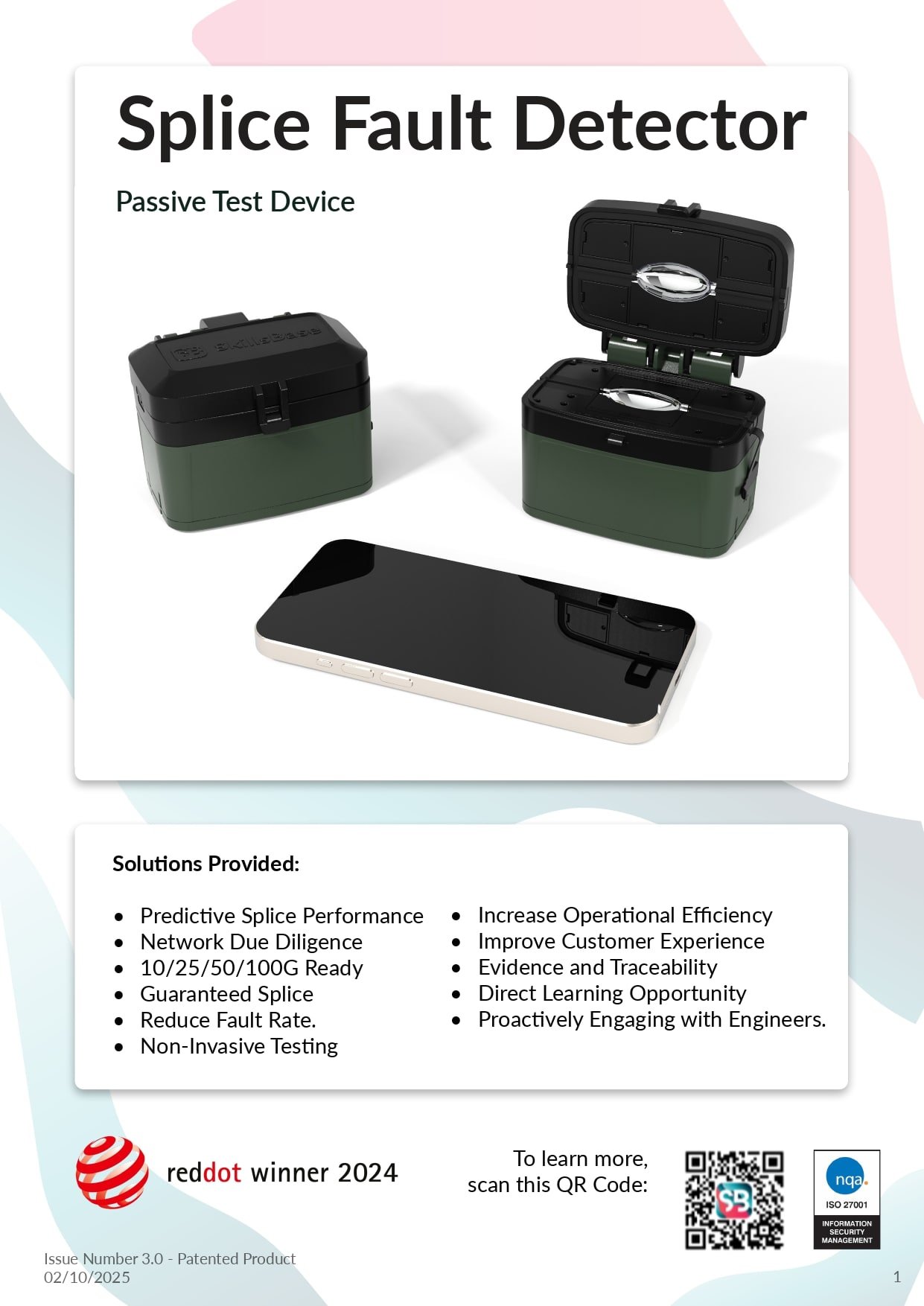
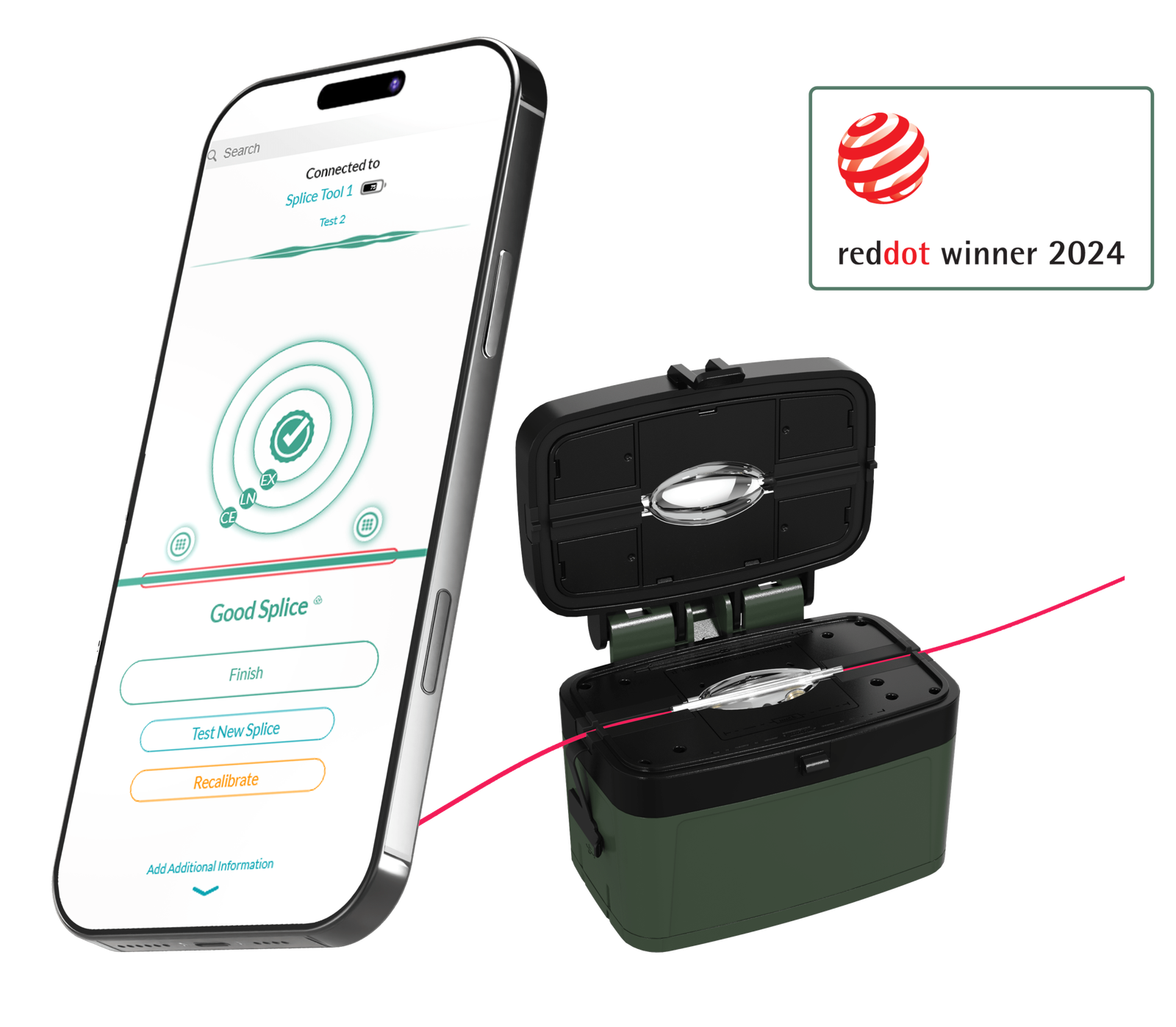
The patented Splice Fault Detector is the industry’s first field-ready tool for real-time splice quality assurance, helping engineers test faster, train smarter, and prove network reliability at scale.
Poor Splices = Big Losses
Up to 10% of new connections fail early due to splice quality.
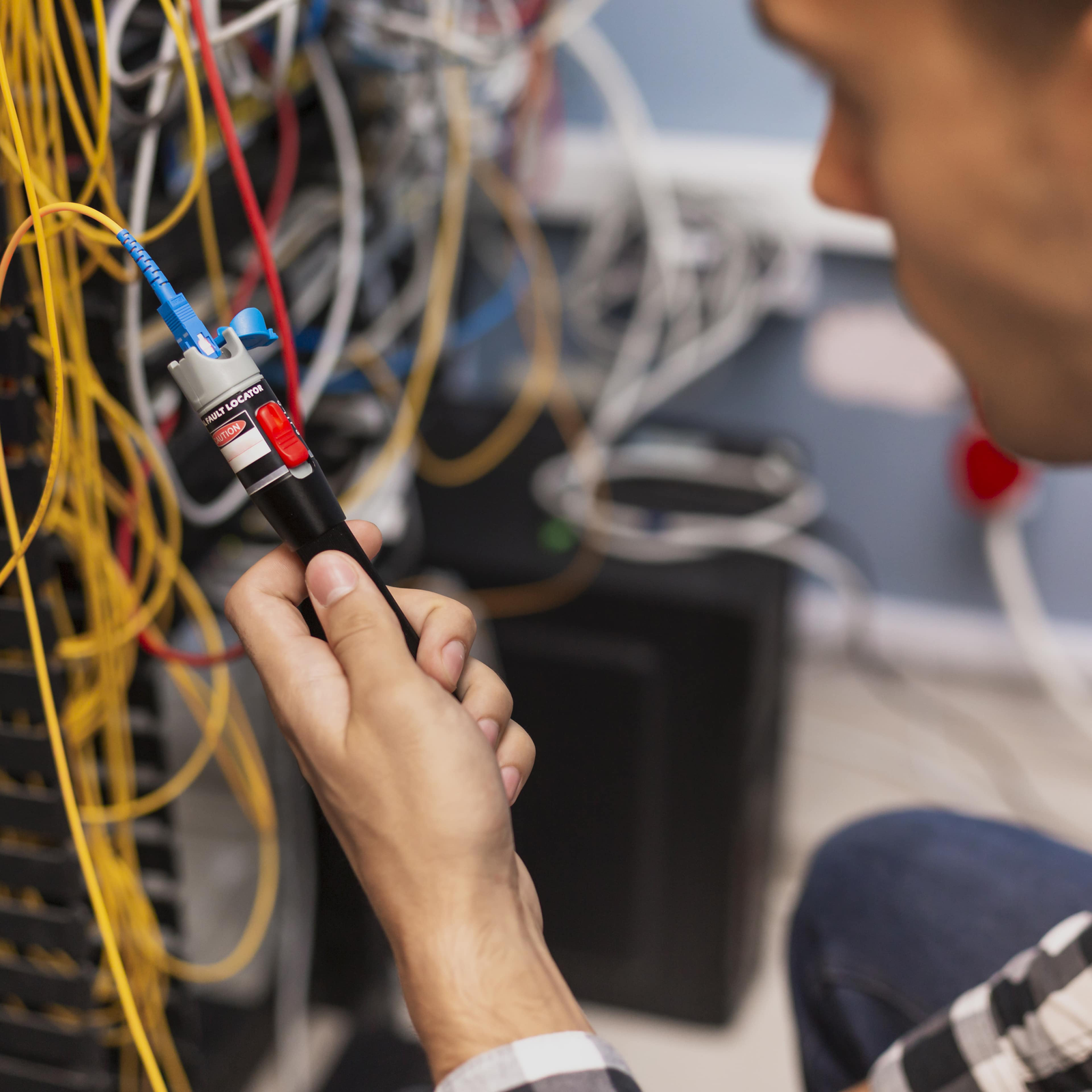
Every repeat visit costs time, money, and credibility.
Legacy validation tools are expensive, slow, or disruptive, so they’re often skipped.
Features
Direct Measurement
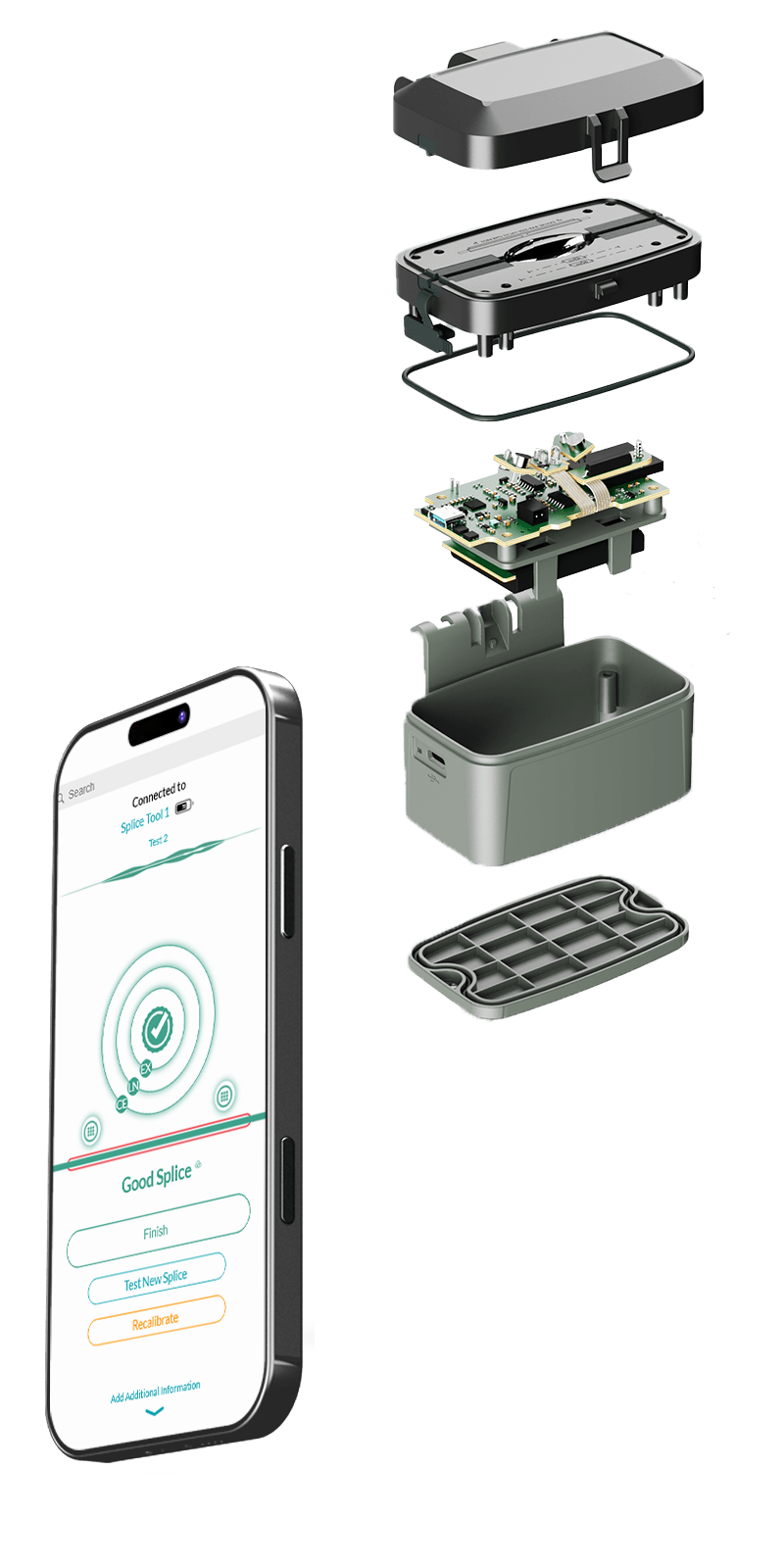
No estimation algorithms -IR sensor technology detects real splice loss (0.25 dB+)
Works on Live Fibre
No service interruption, no red-light tests, no extra truck rolls.
App + Cloud Analytics
Traceability, pass/fail logging, fleet metrics, integration-ready API
Redefining Splice Quality at Its Core
Traditional splice tools depend on visual estimation and manual checks, often missing hidden faults that impact network performance. The Splice Fault Detector replaces guesswork with infrared precision, ensuring reliable, repeatable results, even in real-world conditions.